
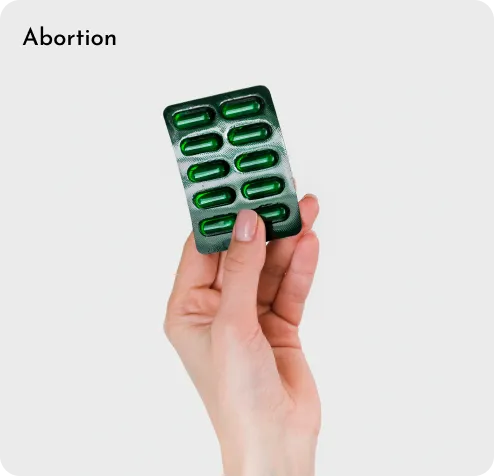
Abortion
Showing 1–3 of 3 results
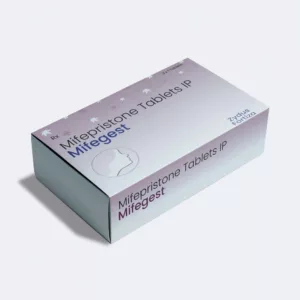
 Abortion
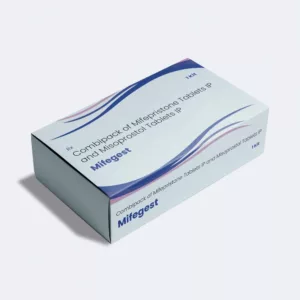
MTP Kit (Combipack of Mifepristone and Misoprostol)
(4)$180.00 – $515.00from $180.00 / unitSelect options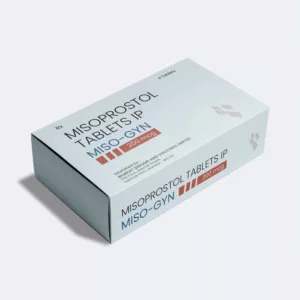
What Are Abortion Pills?
Abortion pills are prescription medications used for medical abortion to terminate early pregnancies. The two main drugs are mifepristone (Mifeprex) and misoprostol (Cytotec), which together provide a non-surgical method for ending pregnancy.
Mifepristone blocks progesterone, the hormone needed to maintain pregnancy, while misoprostol causes uterine contractions to expel the pregnancy tissue. Medical abortion is effective for pregnancies up to 70 days (10 weeks) from the last menstrual period.
The FDA first approved mifepristone in 2000 and extended its use to 10 weeks of gestation in 2016. Generic versions are now available, with the most recent approval in October 2025.
How Do Abortion Pills Work?
- Mifepristone (Day 1): Blocks progesterone. Uterine lining breaks down, stopping pregnancy growth and causing embryo detachment.
- Misoprostol (Day 2-3): Causes uterine contractions and softens cervix. Expels pregnancy tissue.
The combined effect mimics a natural miscarriage, with cramping and bleeding typically lasting several days to weeks.
Where to Buy Abortion Pills?
Certified medical providers can prescribe abortion pills through established healthcare systems. Planned Parenthood and other reproductive health clinics offer in-person consultations and medication dispensing. Fullhousepill is a certified pharmacy that dispenses abortion pills in select states where abortion is legal.
Abortion Pill Costs and Pricing
| Provider Type | Cost Range |
|---|---|
| Telehealth (Hey Jane, Aid Access) | $150-$580 |
| Planned Parenthood clinics | $580 average |
| In-person medical visits | $600 |
| International suppliers | $105-$500 |
How to Use Abortion Pills Safely?
- Day 1 – Mifepristone: Take one 200mg tablet by mouth with water. Light bleeding may occur.
- Day 2-3 – Misoprostol: Take four 800mcg tablets buccally or vaginally. Dissolve for 30 minutes before swallowing remaining portions.
- Follow-up: Schedule visit 7-14 days later to confirm complete abortion.
Plan to take misoprostol when you can rest at home for 24-48 hours. Arrange support if needed. Cramping and bleeding typically begin within 2-24 hours.
Side Effects and What to Expect
- Cramping: Uterine contractions expel pregnancy tissue
- Heavy bleeding: Often heavier than normal periods, may include clots
- Nausea and vomiting
- Diarrhea
- Fever and chills
- Fatigue: 1-2 days
Bleeding Patterns
Vaginal bleeding lasts 9-16 days, sometimes up to 30 days. Earlier pregnancies may have lighter bleeding. Normal patterns include:
- Heavier flow than regular periods
- Blood clots up to tennis ball size
- Tissue passing from the uterus
When to Seek Medical Care?
- Fever > 24 hours
- Very heavy bleeding (soaking 2 pads/hour for 2 hours)
- Severe abdominal pain
- Signs of infection (prolonged fever, weakness)
- No bleeding after 24 hours (may indicate incomplete abortion)
Safety and Effectiveness
Abortion pills are 96-99% effective when used correctly. Studies show 96.4% success with mailed pills. FDA requires certified providers to dispense mifepristone through the REMS program. Patients should avoid unregulated sources.
Frequently Asked Questions
Can I get abortion pills from regular pharmacies?
Yes, CVS and Walgreens dispense mifepristone in select states with a valid prescription.
How much do abortion pills cost?
Costs range $150-$800 depending on provider. Telehealth: $150-$580, in-person clinics: $600.
Are abortion pills safe?
Yes, under medical supervision, with 96-99% success and minimal serious complications.
Can I get abortion pills by mail?
Yes, services like Hey Jane and Aid Access provide discreet delivery within 1-5 days in participating states.
What’s the difference between abortion pills and Plan B?
Abortion pills terminate existing pregnancies; Plan B prevents pregnancy after unprotected sex.
Do I need to see a doctor in person?
Telehealth consultations are allowed in many states, but some may require in-person visits.